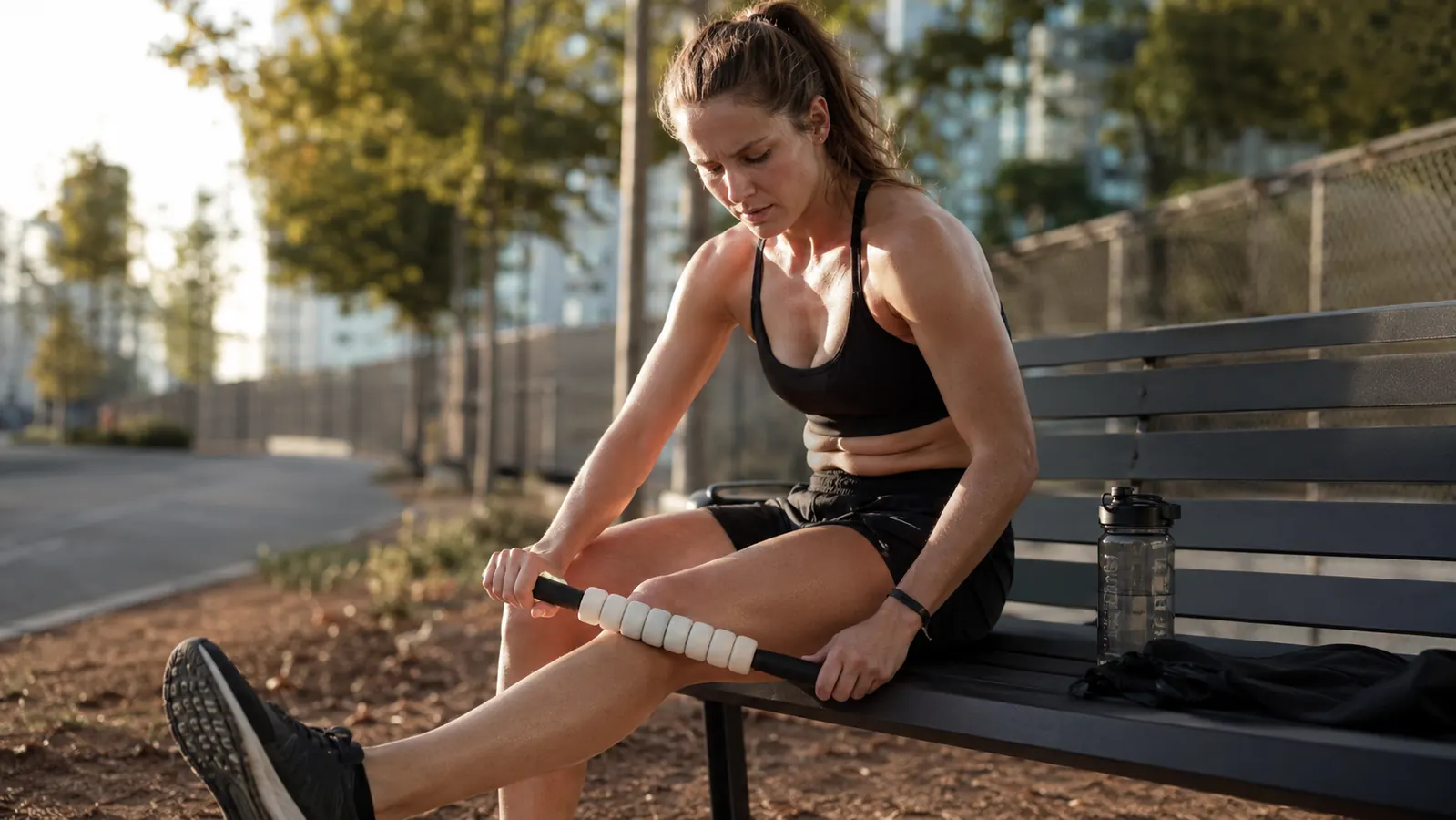
I started using the Idson Muscle Roller Stick in early March, right after a half marathon training block left my calves feeling like knotted rope every single morning. My foam roller sits in the corner of my garage and, honestly, I was not reaching for it after night runs. Too much floor work. I wanted something I could use sitting on the edge of my bed for three minutes and actually feel a difference. The Idson costs less than a post-run smoothie, so I figured the risk was low.
Three months later, I have rolled it over my calves, quads, IT bands, and shins probably 200 times. I want to tell you exactly what those three months taught me, including the parts that surprised me and the one thing that would make me choose a pricier stick next time.
The Quick Verdict
A reliable, genuinely portable roller stick that does the job for everyday runners and lifters who want quick post-workout relief without getting on the floor. The handle grips are comfortable, the rollers are smooth enough to use on bare skin, and the price makes it easy to keep one at home and one at the gym. The stick has a little more flex than I expected, which reduces pressure on the deepest knots, but for daily maintenance rolling it is hard to argue with the value.
Amazon Check Today's Price →Still sore the day after runs? Here is the stick I have been using every night.
The Idson Muscle Roller Stick has 4.5 stars from over 26,000 buyers. I have used it daily for three months and can tell you what they got right and where it falls short.
Amazon Check Today's Price on Amazon →How I Have Used It
My testing context: I run four days a week, averaging 28 to 35 miles. I also lift twice a week, mostly lower-body compound work. I am 41 years old and my recovery is not what it was at 28. The Idson has been part of a nightly routine that takes about five to seven minutes. Calves first (two minutes each leg), then quads (one minute each), then a quick pass over the IT band on whatever leg felt tighter that day.
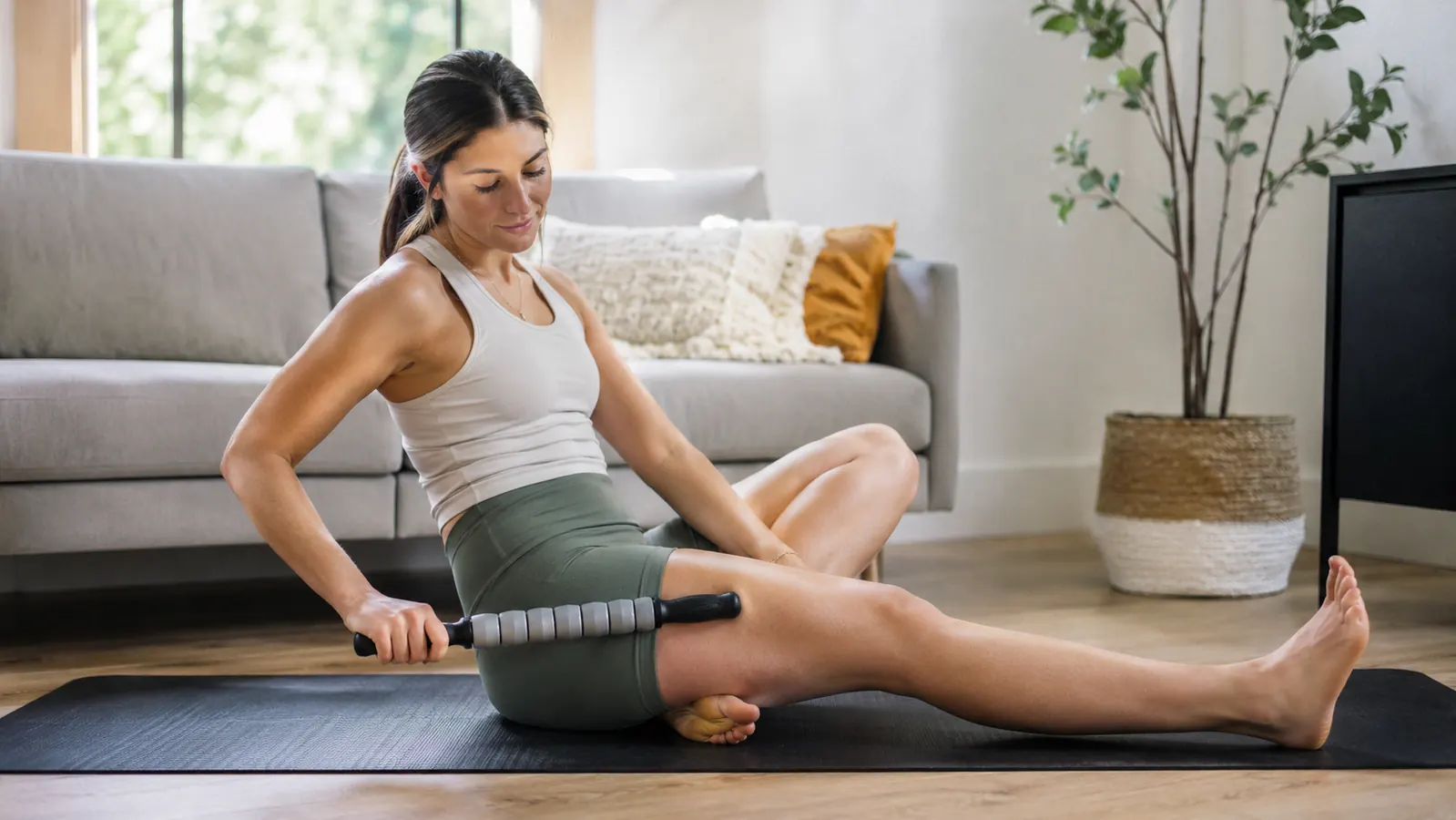
I use it seated on the edge of a chair or my bed, rolling on bare skin with light lotion applied first. No mat, no floor, no setup. That convenience factor is the biggest reason I stuck with it for this long. The foam roller requires me to change clothes, find floor space, and spend real time. The stick takes zero setup.
I want to be clear about what this thing is and is not. It is a self-massage tool for routine maintenance and surface-level soreness relief. It is not a substitute for physical therapy, medical treatment, or professional sports massage. If you have a specific injury, chronic pain, or a condition affecting your muscles or joints, talk to a healthcare provider before using any self-massage tool. What I am describing below is my personal experience with everyday training soreness, not a medical claim.
What the Idson Actually Feels Like to Use
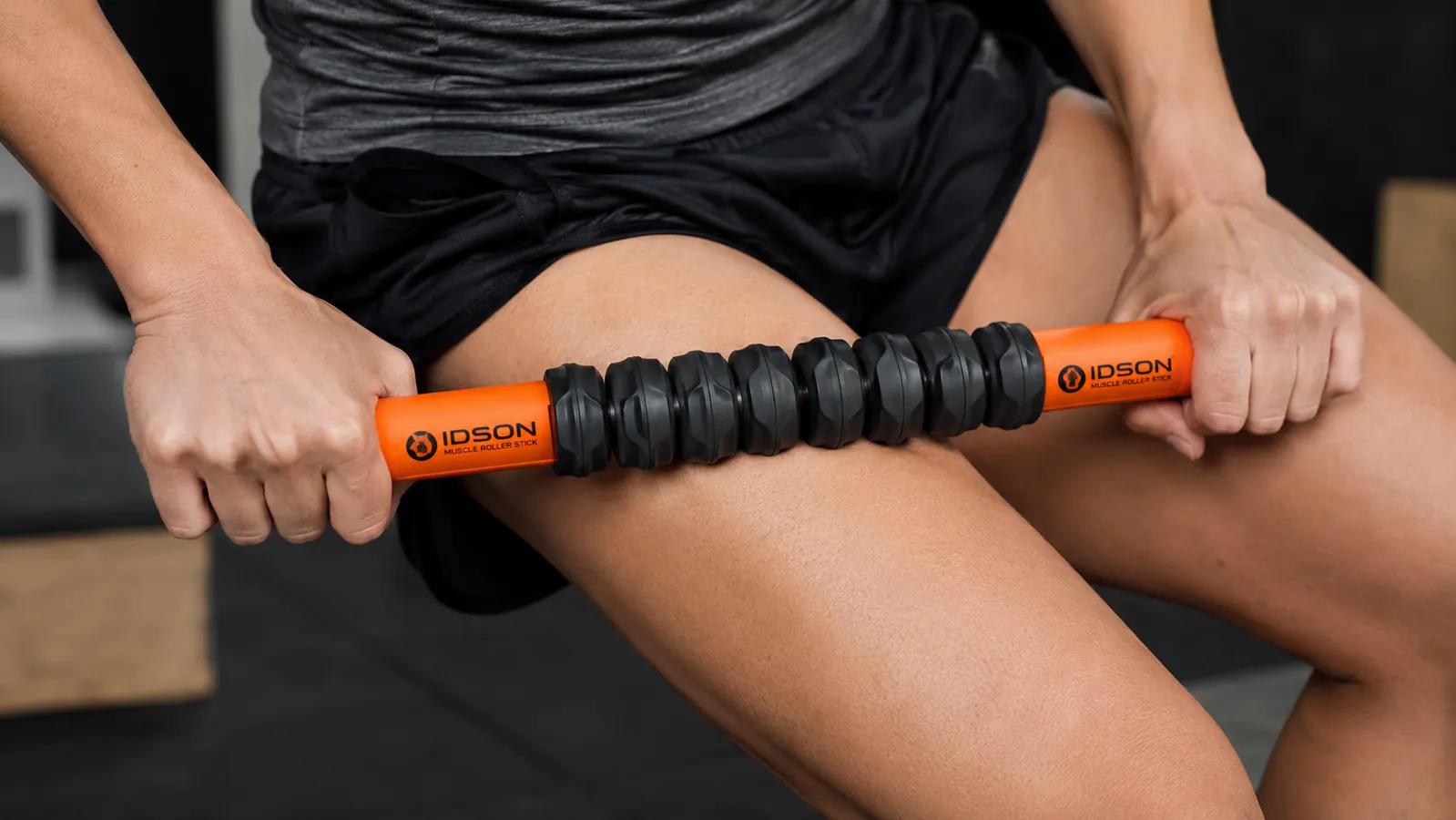
The spindles on the Idson rotate independently, which is the most important mechanical feature to understand. When you press the stick into your calf and roll, each individual roller turns against the skin rather than dragging. That means less friction, less skin irritation, and a rolling sensation that actually feels like massage rather than a stick being pushed across your leg.
The handles are textured plastic with a bit of rubber grip. My hands did not slip during sweaty post-run sessions. The handle length gives you enough leverage to get real pressure into your quads and calves without straining your grip. For reference, I have small hands and found the grip completely comfortable after the first week.
The one real limitation I noticed is flex. Hold the Idson with both hands and press hard into a muscle. The stick bends slightly. On a firmer, more rigid roller stick, that pressure translates directly into the tissue. With the Idson, some of that force is absorbed by the flex. For light to moderate rolling, this is not an issue. For deep, aggressive work on a very knotted muscle, I sometimes wished I had something stiffer. That said, the flex also makes it more forgiving on sensitive areas like the IT band and shin.
Three Months In: What Changed (and What Did Not)
By the end of month one, I noticed I was waking up with notably less calf tightness on the mornings after long runs. My baseline morning soreness score, which I track loosely on a 1 to 10 scale, dropped from around a 7 or 8 on heavy training days to around a 5 or 6. That is meaningful to me because it meant I could train the next day without spending the first mile feeling like I was running on stilts.
By month two, I started using it on my quads after squat sessions. I had assumed the stick would not reach deeply enough into quad tissue to matter. I was wrong. The combination of sitting on a chair with one leg extended and pressing down with moderate force worked well for the outer and middle quad. The inner quad was harder to reach at the right angle, and the foam roller is still better for that spot.
Month three was where I tested its durability. The stick traveled in my gym bag three times a week and spent nights in my car trunk on colder evenings. The handles show minor scuff marks, and one end cap feels slightly looser than the other. The rollers themselves have held up completely. No sticking, no cracking, no squeaking. I have seen cheaper roller sticks where the spindles start to drag after a month. That did not happen here.
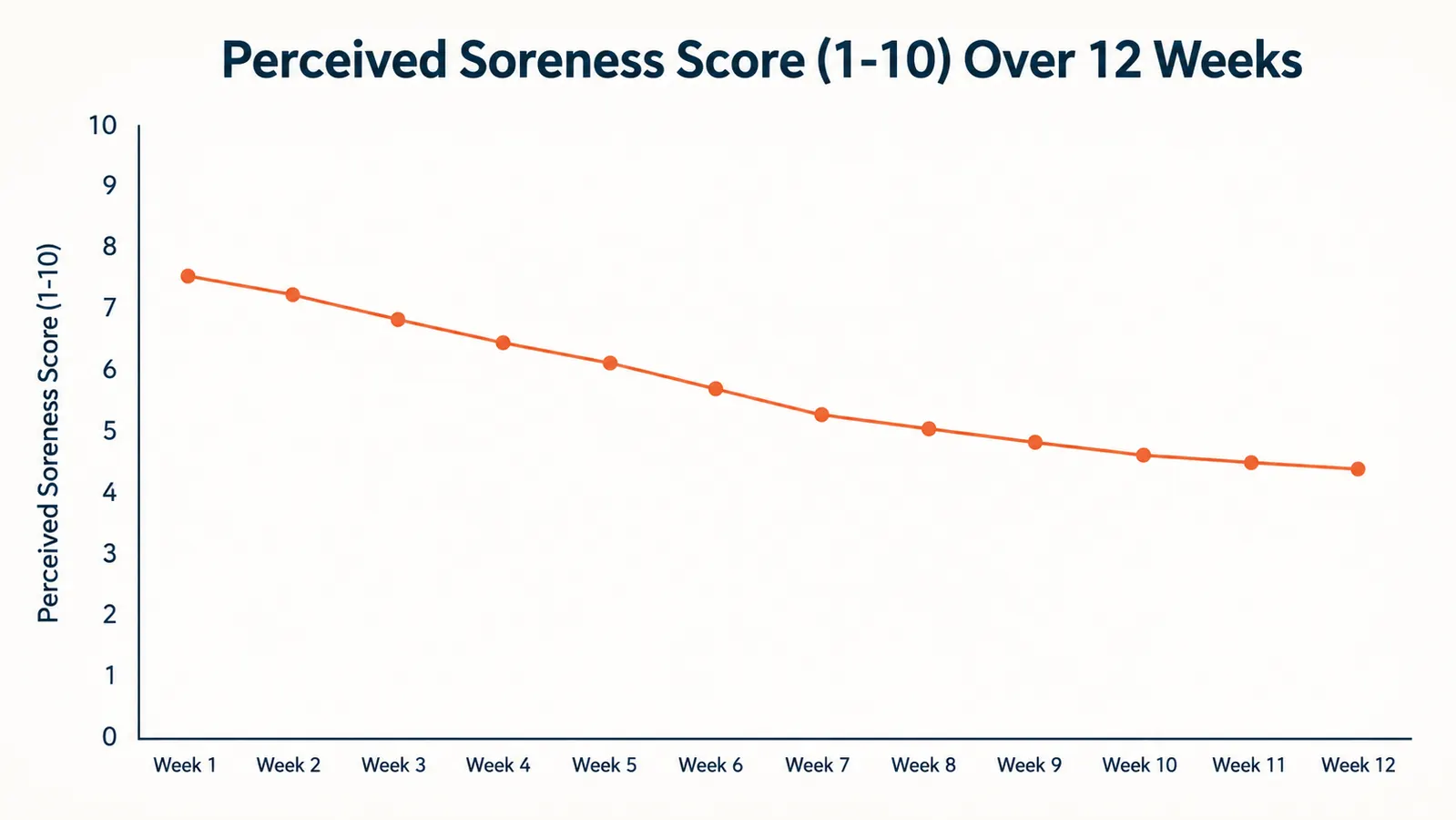
The biggest change was not how sore I felt the night after a run. It was how I felt getting out of bed the next morning. That is the number that matters when you have to run again at 5am.
Where the Idson Competes Well (and Where It Struggles)
For calves, the Idson is excellent. The length of the stick fits naturally around the calf belly when you are seated, and you can vary the angle to hit different parts of the muscle. Shins, which runners often neglect, are also easy to address with the Idson since you can apply the stick at a shallow angle along the tibialis anterior without the rollers slipping.
For hamstrings, it is usable but not ideal. You need to position the stick under the back of your thigh while seated and apply downward body weight, which works but requires more setup than the calf routine. A foam roller is more efficient for hamstrings. For the IT band, the stick works well because you can control pressure more precisely than with a foam roller, which matters since the IT band tends to be reactive and easy to overwork.
Shoulders and upper back are awkward. The stick is designed for limbs, not for reaching behind your shoulder blade. I tried a few angles on my upper traps after a heavy deadlift day and could not get consistent pressure. A lacrosse ball against a wall is a better tool for that area.
Alternatives I Considered
Before landing on the Idson, I considered three other roller sticks. The Tiger Tail at a higher price point is stiffer, which some runners prefer for deeper work. The RumbleRoller Stick is well regarded but costs significantly more. Several generic no-name sticks on Amazon look identical to the Idson at lower prices, but the reviews told a different story on durability.
The Idson sits in a practical middle ground. It is not the most aggressive stick you can buy, and it is not the most durable. But it is dependable, comfortable to use every single day, and priced so that replacing it every year if needed would still cost less than one sports massage session. That math matters to me.
What I Liked
- Smooth-spinning rollers that work on bare skin without dragging or causing irritation
- Compact and light enough to toss in a gym bag, travel bag, or leave at your desk
- Comfortable handle grip even when hands are slightly sweaty after a workout
- Priced low enough that the cost-per-use math is hard to argue with
- Durable rollers held up well after three months of daily use and bag travel
- Great for calves, shins, and IT bands, which are exactly the spots runners need most
Where It Falls Short
- More stick flex than ideal for deep-tissue work on stubborn knots
- Handle end caps showed minor loosening after extended use
- Not the right tool for upper back, shoulders, or areas that need pinpoint pressure
- Hamstring coverage is awkward compared to a foam roller
Who This Is For
This stick is a strong fit for runners and cyclists who deal with recurring calf and quad tightness and want a quick nightly routine that does not require getting on the floor. It is also a solid pick for desk workers who run or lift after work and want a simple tool that lives in a desk drawer or bag for quick use. If your main soreness points are below the waist and you want something you will actually use every day without thinking about it, the Idson delivers that.
Who Should Skip It
If you need deep-tissue pressure to work through serious muscular tightness or chronic knots, the Idson's flex will frustrate you. A stiffer stick or a targeted tool like a lacrosse ball will serve you better. If your main problem areas are your upper back and shoulders, look elsewhere. And if you are dealing with any kind of injury, inflammation, or chronic musculoskeletal condition, please work with a physical therapist or sports medicine professional before relying on any self-massage tool.
Three months in, I still reach for this thing every night after a run.
The Idson Muscle Roller Stick is still holding up, still smooth, and still the fastest way I know to get my legs feeling human again before the next morning's run. Check the current price on Amazon and see what other runners have to say.
Amazon Check Today's Price on Amazon →