
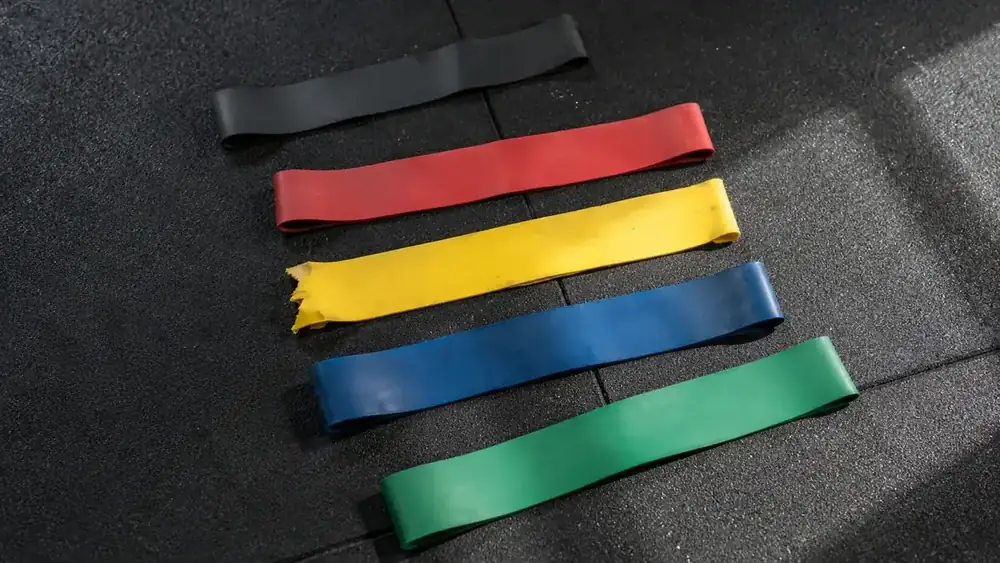
Let me start with the question everyone actually types into the search bar: do the Fit Simplify resistance bands snap? Because if you have owned cheap latex loop bands before, you know that snap. You are mid-clamshell, maybe using them as a hip warm-up before squats, and then a loud crack and a piece of rubber flies across the room. It has happened to me with other brands and it is not fun. So before I talk about anything else in this review, I am going to answer the durability question straight, then get into the stuff the product listing will never tell you.
The Fit Simplify Resistance Loop Bands are one of the most-purchased band sets on Amazon, with over 135,000 ratings. That kind of volume means you are getting real signal, both positive and negative. After working with multiple sets of these bands across different clients and using them myself, I want to give you the honest take that the five-star review average glosses over. There are real gotchas here. Knowing them before you buy is more useful than learning them after.
The Quick Verdict
Solid entry-level bands for mobility and activation work, but the latex off-gassing is real, the lightest band is almost useless for anyone with baseline strength, and if you train hard you will outgrow the top level within a few months. Good value, not a permanent solution for serious lifters.
Amazon Check Today's Price →You want to know if these bands hold up before you waste money finding out the hard way.
The Fit Simplify set covers most mobility and warm-up use cases at a price that makes replacement painless. Check what they cost today on Amazon and read the recent reviews for the latest batch quality notes.
Amazon Check Today's Price on Amazon →The Latex Smell: Real, Temporary, and Worth Knowing About
Open a new set of Fit Simplify bands and your first impression will probably be the smell, not the texture. Fresh latex has a sharp, rubbery odor that some people find mild and others find genuinely overwhelming. Clients who are sensitive to chemical smells have told me they had to air the bands out for three to five days before using them indoors without noticing it. The smell fades, but it does not disappear in an hour the way some product listings suggest.
If you have a latex sensitivity, stop here. Even low-grade latex exposure can trigger contact dermatitis in sensitive individuals, and loop bands go directly against skin if you are using them bare-legged for hip drills. The instruction guide mentions nothing about latex content. It is worth knowing that these are natural latex, not a synthetic alternative. If you need latex-free bands, look at fabric loop bands instead. They do not snap the same way but they also do not carry this risk.
Do They Actually Break? The Durability Reality
Here is the straight answer: they are unlikely to snap suddenly under normal use, but they are not indestructible and the failure pattern is worth understanding. The bands most likely to fail are the lightest ones, and they fail at the seam first, not in the middle of the band. The seam is the spot where the manufacturer joined the loop, and it is the thinnest point structurally. If you are stretching the band to its full extension repeatedly, especially the lighter bands, that seam is where micro-cracks develop over time.
I have seen bands from this set develop surface cracks on the inner loop face after heavy use. A surface crack does not mean the band will snap on your next rep, but it is a sign to retire that band rather than push it further. The failure is typically slow and visible before it becomes a problem, which is genuinely better behavior than cheap bands that go without warning. What you want to do is inspect the seam and inner surface every few weeks if you are using these daily. It takes ten seconds and it tells you a lot.
The bands are more vulnerable to heat and UV than most people realize. Leaving them in a hot car for a summer weekend will accelerate the latex degradation noticeably. The same goes for leaving them near a sunny window. Latex breaks down faster with ozone and UV exposure. Store them in a cool, dry, dark place and they will last significantly longer than if you leave them on a windowsill or in your trunk.
The Five Resistance Levels: Which Ones You Will Actually Use
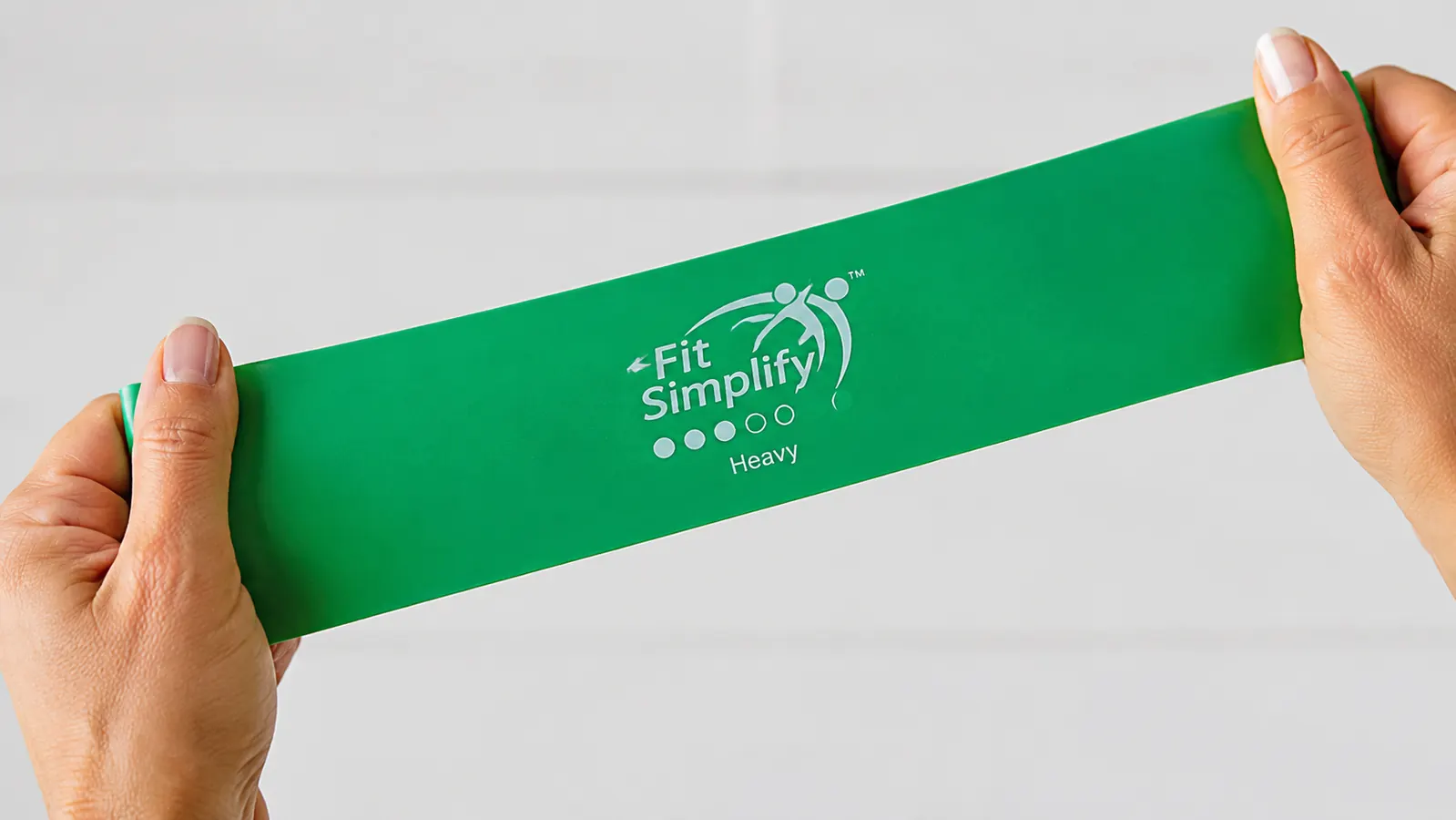
The set comes with five levels: extra light, light, medium, heavy, and extra heavy. Marketing a set of five sounds comprehensive. The reality is more nuanced. For most people with any baseline gym experience, the extra light band feels like almost nothing. It is the band you reach for when you are doing shoulder external rotation drills with a very controlled, isolated movement, and even then it might feel like you are just holding a rubber circle. If you have been training for more than a few months, you will rarely touch this one.
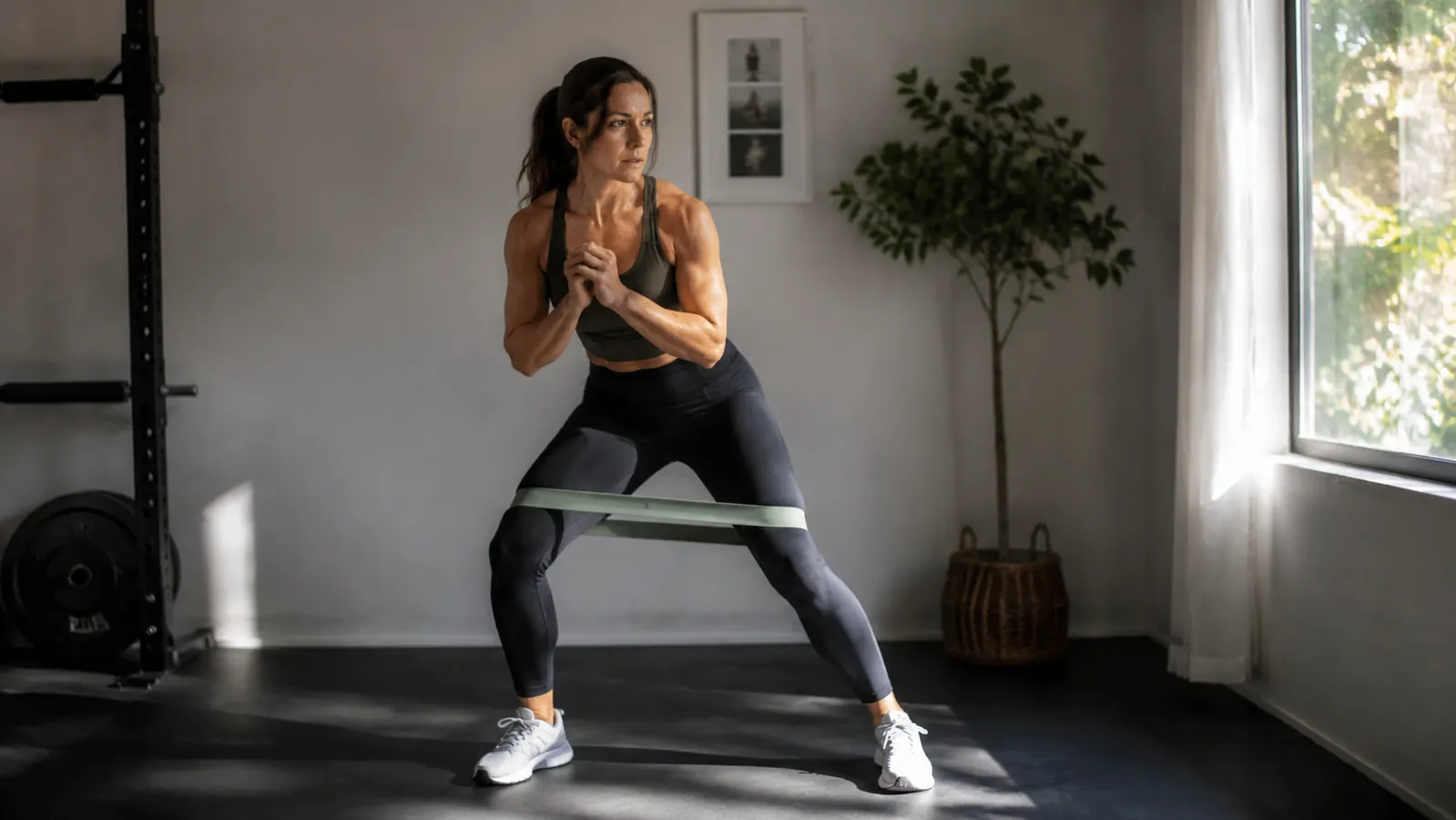
The light and medium bands are where most mobility and activation work lives. Hip circles, clamshells, pull-aparts, and lateral walks all fall comfortably in this range. The heavy band is useful for glute bridges and lateral band walks where you want to feel real resistance through the full movement. The extra heavy band is the one that surprises people. It is legitimately difficult to stretch for most lower-body exercises. Some clients find it so stiff that it limits range of motion in mobility drills, which defeats the purpose.
The resistance gap between levels is not consistent. The jump from extra light to light is small. The jump from light to medium feels noticeably larger. This matters if you are programming band work as part of a rehabilitation protocol where you need predictable, graduated resistance. For general gym warm-ups and mobility, the inconsistency is rarely a problem. But if a physical therapist prescribed banded work and told you to progress the resistance gradually, be aware that the steps are not evenly spaced.
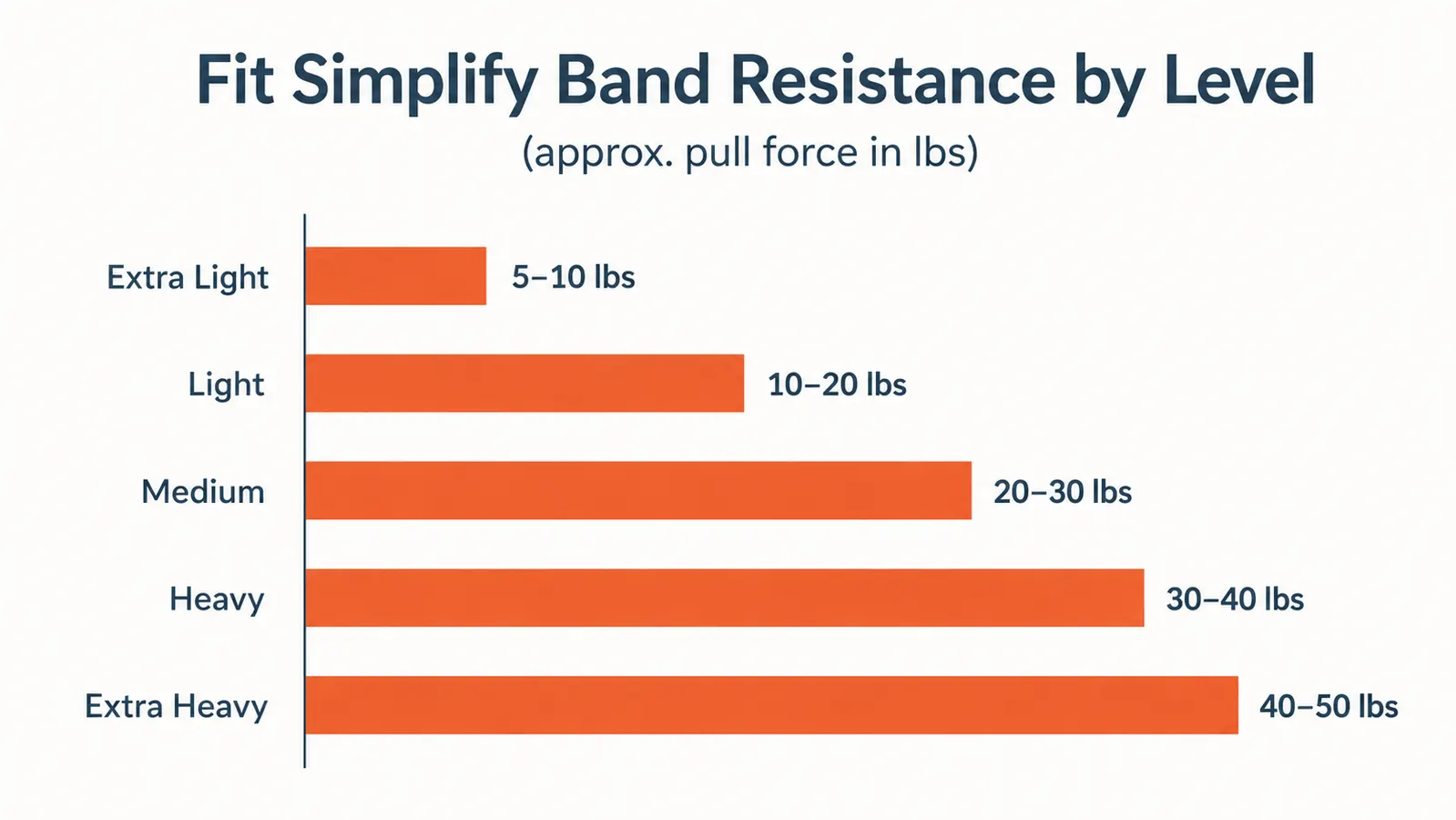
The extra light band feels like almost nothing to anyone with six months of gym experience. The extra heavy band is stiff enough to limit range of motion in some mobility drills. You will live in the middle three.
Band Width and Rolling: A Small Problem That Gets Annoying Fast
Fit Simplify bands are loop-style, meaning they are a flat band formed into a circle, not a tube with handles. The width of the band is what keeps it sitting flat against your thigh or ankle instead of rolling into a thin rope. When a band rolls, it cuts into skin and concentrates all the resistance in a narrow line, which is uncomfortable enough to make you stop the exercise. The Fit Simplify bands are about 2 inches wide, which is enough to resist rolling during most exercises. However, if the band is too loose for the exercise, or if you are doing fast lateral movements, rolling can happen.
The fix is simple: always use a band tight enough to stay snug against the thigh or ankle during the movement. If the band is so loose it slides around, go up a resistance level. This is counterintuitive when you are doing mobility work and your instinct is to use the lightest band possible, but a slightly heavier band that stays in place is more effective than a light band that rolls up every three reps. The instruction guide does not mention this, which is why so many new users get frustrated in the first week.
Who Should Not Buy These Bands
I want to be direct about this because the Amazon listing does not tell you who this product is not for. If you have a latex allergy or latex sensitivity, do not buy these. Contact with latex can cause reactions ranging from mild skin irritation to more significant responses in sensitized individuals, and loop bands make prolonged skin contact during every exercise. Fabric bands exist for this reason and they are worth the small price premium if you have any latex concerns.
If you are an intermediate or advanced strength athlete looking to use bands for progressive overload work, you will likely outgrow the top resistance level within a few months. The extra heavy band provides meaningful resistance for lighter individuals or true beginners, but a 180-pound man doing banded hip thrusts will find the resistance insufficient for anything resembling progressive loading. For that kind of work, you need heavier loop bands or tube bands with handles. These Fit Simplify loops are warm-up and mobility tools, not strength development tools.
Also skip these if you want tube-style bands you can loop around a door anchor for rowing, pull-down, or pressing movements. The flat loop design is not compatible with door anchors. People try this and the band slips off immediately. If you need a versatile set that handles both mobility work and pulling exercises, you need a different product category entirely.
What the Carry Bag and Instruction Guide Are Actually Like
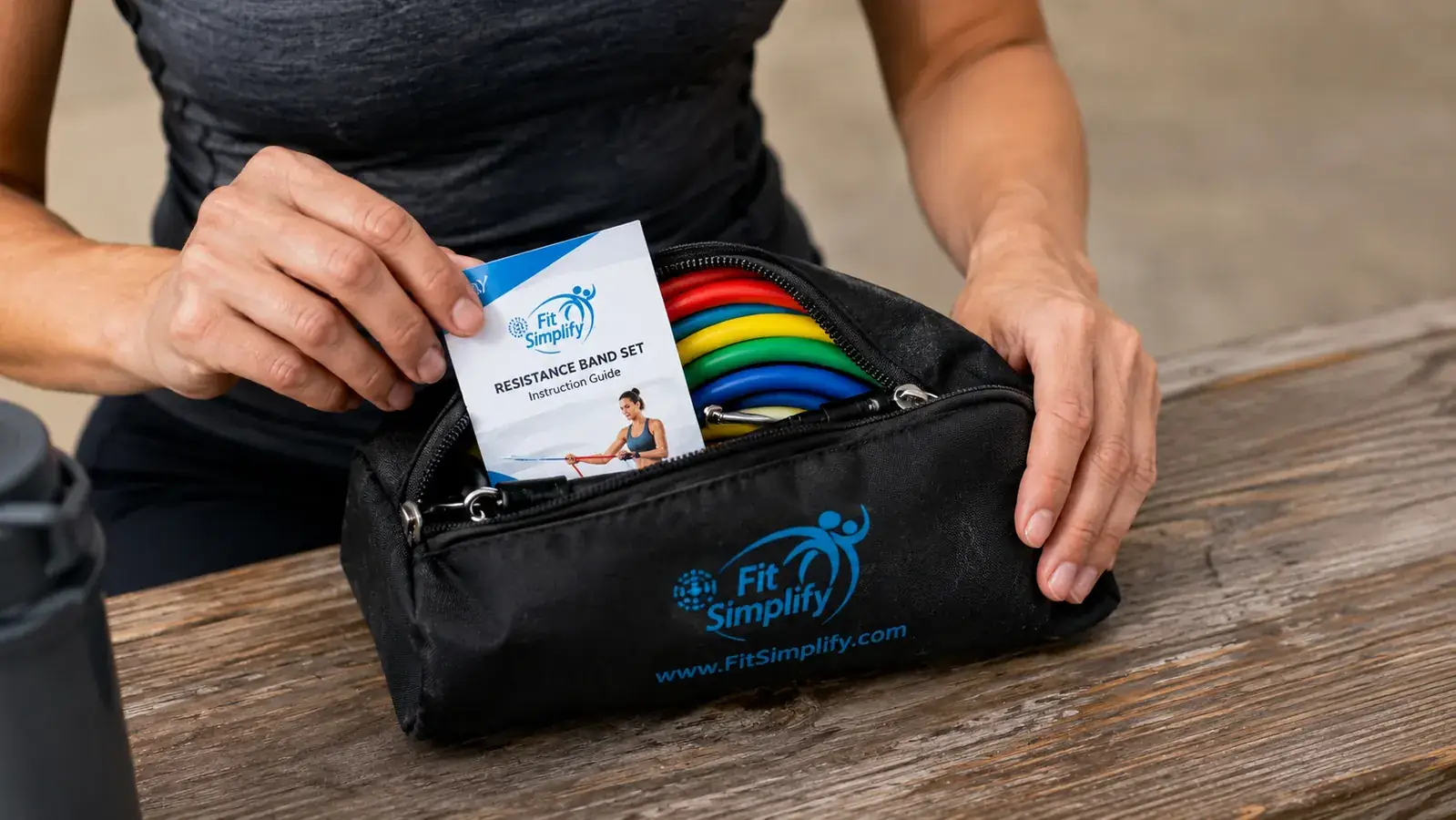
The carry bag is small, nylon, and has a zipper. It fits all five bands comfortably with room for the instruction card. The zipper hardware is light-duty. It is the kind of zipper that works fine for months and then the pull tab separates from the slider and you are left prying the zipper open with your thumbnail. It is not a disaster. It is also not the quality you would expect from a bag you plan to open and close twice a day for a year. Keep it in mind and do not rely on the bag for long-term storage if you care about having a functional zipper.
The instruction guide is a folded cardstock sheet with photographs of exercises. The images are small and the exercise names use generic terminology that will be familiar to anyone who has done any banded work before. For a true beginner who has never done hip activation drills, the guide provides enough to get started. It shows clamshells, monster walks, lateral band walks, and a few upper-body exercises. It does not go deep on form cues or programming. If you want a structured routine to go with these bands, I laid out a full ten-movement sequence with form notes in my guide on [10-resistance-band-stretches-for-post-workout-recovery].
Comparing to the Alternatives at This Price
At roughly ten dollars for a set of five, there are not many alternatives that offer comparable quality. The main competition comes from generic sets with similar construction that undercut the price by a dollar or two, and fabric loop bands that cost slightly more. The generic latex sets I have tried at this price point have shown more quality inconsistency in band thickness, which leads to resistance levels that feel unpredictably different from what the color coding suggests. The Fit Simplify bands are more consistent in that regard.
Fabric loop bands solve the rolling problem and the latex sensitivity problem, but they have their own issues: they tend to bunch during hip drills, they absorb sweat in a way that latex does not, and they provide less uniform stretch across the band width. For pure mobility work where rolling is less of a concern, latex loops like these outperform fabric at the same price. For rehabilitation work where skin contact is prolonged and rolling would be painful, fabric is the better call. If you are weighing the two options more carefully, I covered the full comparison in my breakdown of [resistance-bands-vs-cable-machine-for-mobility].
What I Liked
- Strong track record against sudden snapping during normal use
- Five levels cover beginner through intermediate activation and mobility needs
- Compact carry bag keeps all bands together for travel or gym bag storage
- Latex provides consistent, even stretch across the band width
- Replacement cost is low enough that replacing a worn band is not a big deal
Where It Falls Short
- Latex smell is noticeable out of the box and takes several days to fully dissipate
- Not safe for anyone with latex allergies or contact sensitivities
- Extra light band is nearly useless for anyone beyond beginner fitness levels
- Carry bag zipper hardware is fragile and likely to fail with daily use
- Resistance increments are not evenly spaced, which matters for progressive rehab programming
- Heat and UV exposure degrade the latex faster than most users expect
Who This Is For
The Fit Simplify bands are a good buy for beginners who want to start banded mobility and activation work without spending much, for gym-goers who want a portable warm-up kit that travels in a gym bag, for runners adding hip and glute work to their cooldown routine, and for anyone whose physical therapist has recommended home-based banded hip or shoulder exercises. They are also a reasonable choice for intermediate lifters who want dedicated mobility tools separate from heavier training equipment. At this price, the risk of buying and not loving them is low.
Who Should Skip It
Skip these if you have any latex sensitivity. Skip them if you are a serious strength athlete expecting to use them for loaded progressive work, because the resistance ceiling is too low. Skip them if you need tube-style bands with handles for door-anchor exercises. And skip them if you are buying for a client or family member with latex allergies, even mild ones, because the contact during lower-body drills is prolonged enough to cause problems. For those situations, fabric loop bands are the right call regardless of the price difference.
If you are starting banded mobility work and want a reliable entry-level set, this is still one of the best-value options on Amazon.
The Fit Simplify Resistance Loop Bands have over 135,000 ratings and a 4.5-star average. Knowing the gotchas going in, they deliver solid performance for mobility, activation, and beginner strength work. Check today's price and see if they fit your budget.
Amazon Check Today's Price on Amazon →